
Hydraulic Hose Failures: What Causes Them and How to Prevent Downtime


Hydraulic hoses are often among the hardest-working components in a hydraulic system. They transport pressurised hydraulic fluid between pumps, valves, cylinders and other components, while operating in environments where heat, movement, vibration and contamination can all take their toll.
A damaged hose can do more than create an oil leak. If a failure brings equipment to a standstill, it can result in lost productivity and unexpected repair costs.
Understanding what causes hydraulic hose failures can help businesses identify problems before they become major issues.
1. Wear and Abrasion
Hydraulic hoses can rub against other components, machinery or surrounding structures during operation.
Over time, this abrasion can damage the outer cover and eventually expose the reinforcement layers underneath.
Hoses should be inspected regularly for:
Worn outer covers
Exposed reinforcement
Cracks
Cuts
Flattened sections
Unusual bulges
Where possible, hoses should be routed and secured to reduce unnecessary contact and movement.
2. Excessive Heat
High operating temperatures can accelerate the deterioration of hydraulic hoses and hydraulic fluid.
Excessive heat may be caused by several factors, including poor system design, restricted flow, excessive pressure or an application operating beyond its intended conditions.
Monitoring operating temperatures and ensuring that the hydraulic system is correctly specified can help extend component life.
3. Incorrect Hose Selection
Not every hydraulic hose is suitable for every application.
When selecting a hose, factors such as operating pressure, temperature, hydraulic fluid compatibility, size and application should be considered.
Using an unsuitable hose can increase the risk of premature failure.
4. Incorrect Installation
Even a high-quality hose can fail prematurely if it is installed incorrectly.
Sharp bends, excessive twisting, inadequate support and incorrect routing can place additional stress on the hose and fittings.
Correct installation should allow the hose to move naturally where movement is required while preventing unnecessary rubbing, twisting or stretching.
5. Damaged or Poorly Maintained Fittings
A hydraulic hose does not work independently. The hose, fittings and connection points all form part of the hydraulic circuit.
Leaks around fittings can indicate issues such as damaged components, incorrect assembly or excessive system pressure.
Ignoring small leaks can eventually result in larger failures.
Regular Inspections Can Save Time
Preventative inspection is one of the simplest ways to identify hydraulic problems before they cause unexpected downtime.
Operators and maintenance teams should look for:
Hydraulic oil leaks
Damaged hoses
Loose connections
Unusual pressure changes
Excessive heat
Unusual noises
Slow or inconsistent equipment movement
If a problem is identified, the system should be assessed by a suitably qualified hydraulic professional.
Hydraulic Hoses and Fittings from Hydratrans
Hydratrans supplies hydraulic hoses and fittings as part of its range of hydraulic equipment and components. The company also provides hydraulic repairs, installations and troubleshooting services.
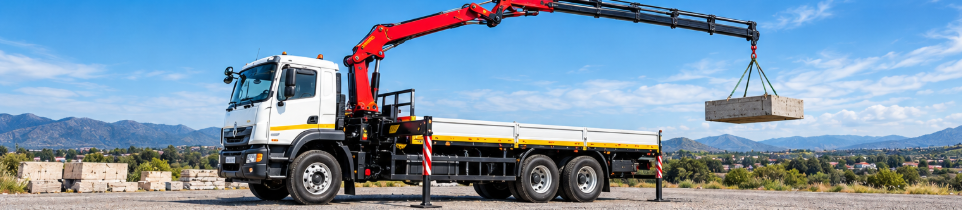
For businesses operating truck-mounted equipment and other hydraulic machinery, having access to the correct components and technical support can help reduce unnecessary downtime.
Don't Wait for a Hose to Fail
A hydraulic hose may be a relatively small component, but its failure can stop an entire system.
Regular inspections, correct component selection and professional installation can help improve reliability and extend the working life of hydraulic equipment.
If you need hydraulic hoses, fittings, repairs or assistance with a hydraulic system, contact Hydratrans to discuss your requirements.


Comments